

Yes, vapes can set off smoke alarms, mainly when thick vapor reaches the detector. Photoelectric and ionization alarms may react to dense vape aerosol because it carries tiny particles. So, while vapes do not create real smoke, the cloud can still look like smoke to some alarms. This can happen faster in small rooms, bathrooms, hotel rooms, dorms, or any space with poor airflow.
That is why this question comes up so often. Many people want to know if vaping indoors can trigger an alarm. The simple answer is yes, it can. But it depends on the vapor amount, room size, detector type, and distance from the alarm.
So, do smoke detectors detect vape? Sometimes, yes. They do not detect the vape device itself. Instead, they detect particles in the air. Vape aerosol can carry enough particles to set them off in some cases.
This guide breaks it down in plain words. You will learn why it happens, where it happens most, and what you should avoid. You will also see how Disposable vapes fit into this common question.
Quick Answer: Can Vape Set Off a Smoke Alarm?
Yes, it can.
Not every puff will do it, though. A small puff in an open room may clear fast. But a thick cloud near the alarm is a different story.
Vape vapor has tiny airborne particles. Some smoke alarms pick those up. The alarm does not know it came from a vape. It only sees something floating through the sensor.
This happens more in tight rooms. Think bathrooms, hotel rooms, dorms, or small bedrooms. Low airflow makes it worse too.
So, do smoke detectors detect vape? Sometimes, yes. They may react when enough vapor reaches the sensor. That is why blowing clouds near a smoke alarm is never a smart move.
How Smoke Alarms Work
Smoke alarms do not “smell” smoke.
They look for tiny particles in the air. When smoke enters the alarm, those particles disturb the sensor. Then the alarm starts making noise.
Most homes, hotels, and offices use two common alarm types.
The first one is a photoelectric alarm. It uses a small light beam inside the device. When particles enter, they scatter the light. Then the alarm may go off.
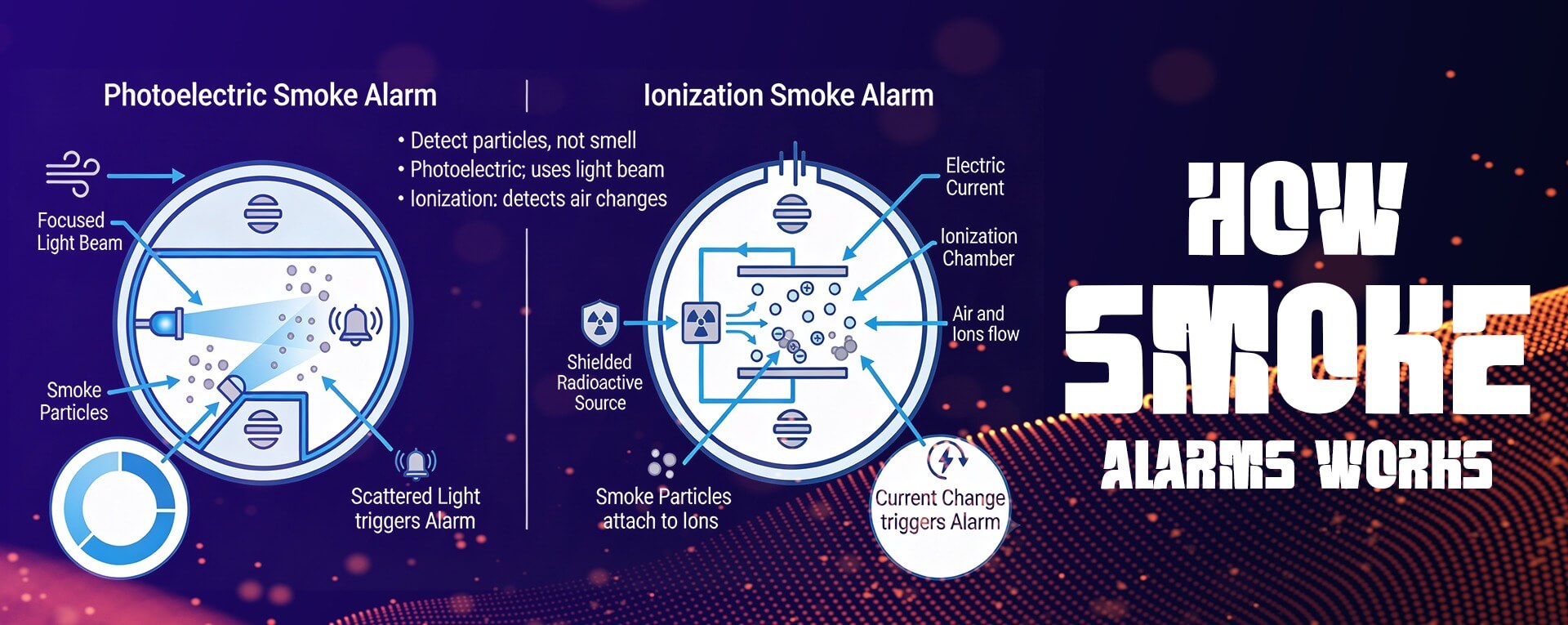
The second one is an ionization alarm. It reads changes inside a small electric current. When particles enter, they disturb that current. Then the alarm may sound.
This matters because vape vapor also has tiny particles. So, a thick cloud can confuse the sensor. The alarm may not know the difference between smoke, steam, dust, or vape aerosol.
That is why vaping near a smoke alarm can be risky. It does not always trigger it. But the chance goes up when the vapor cloud is dense.
Why Vape Can Trigger a Smoke Alarm
Vape can trigger a smoke alarm because of the aerosol.
That sounds odd, right? But the alarm does not check for fire first. It checks for tiny particles in the air.
Vape clouds carry those particles. So, when the cloud reaches the alarm, the sensor may react.
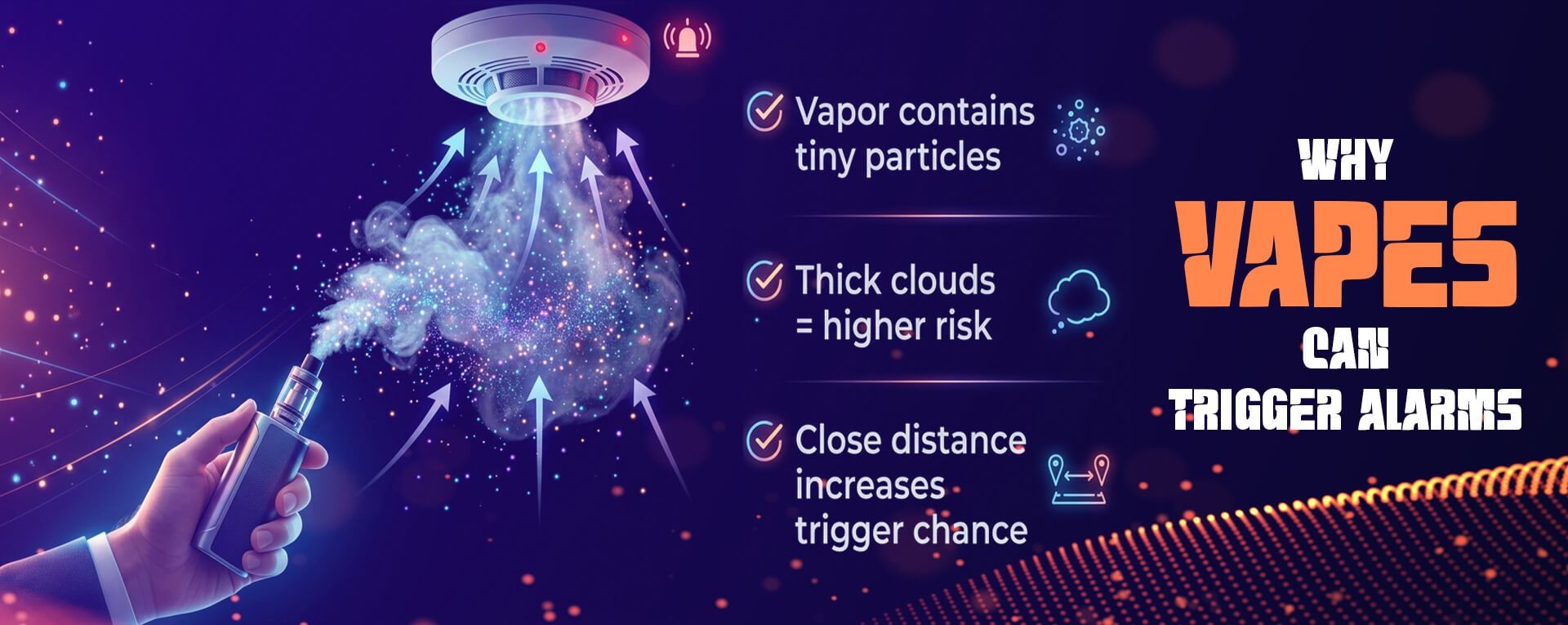
A few things can raise the chance:
- Thick vapor clouds
- Vaping close to the alarm
- Small rooms
- Poor airflow
- Hot showers mixed with vapor
- Sensitive hotel or office alarms
- Repeated puffs in one spot
Bathrooms can cause this faster. Steam already fills the air. Add vape vapor, and the detector may react.
Hotel rooms can be risky too. Many hotels use sensitive alarms. Some also use separate vape detectors.
So, it is not about the vape alone. It is about how much vapor reaches the alarm.
Do All Smoke Detectors Detect Vape?
Not always.
Some alarms react fast to vape. Some never go off. It depends on the detector type, how thick the cloud is, and how much air moves through the room.
Photoelectric Detectors
These are the ones people worry about most.
Photoelectric alarms use a light beam inside the sensor. When thick vapor passes through, it can break or scatter that light. The alarm may then treat it like smoke.
So yes, heavy clouds can set these off.
Ionization Detectors
Ionization alarms can react too.
They work in a different way, but the idea stays close. They sense tiny particles moving through the air. If enough vape aerosol reaches the sensor, the alarm may sound.
A small puff may clear without trouble. A dense cloud near the alarm may not.
Heat-Based Detectors
Heat detectors are different.
They usually respond to rising heat, not floating particles. That means vape vapor is less likely to trigger them.
You may see them in kitchens, garages, or areas where steam and smoke happen often.
Vape Detectors
These are not the same as smoke alarms.
Many schools, offices, and public buildings use vape detectors now. They look for signs of vaping in the air. Some track air changes, aerosol, or certain compounds.
So, do smoke detectors detect vape? Sometimes, yes. But the type of detector makes a big difference.
Where Is Vape Most Likely to Set Off an Alarm?
Vape is more likely to trigger alarms in tight spaces.
The reason is simple. Vapor has less room to spread. So, it stays close to the detector for longer.
Bathrooms are a common example. Steam already fills the air after a hot shower. If vape vapor mixes with that steam, the alarm may react faster.
Hotel rooms can also be tricky. Many hotels use sensitive alarms. Some also have strict no-vaping rules. So, even a small cloud can cause a problem.
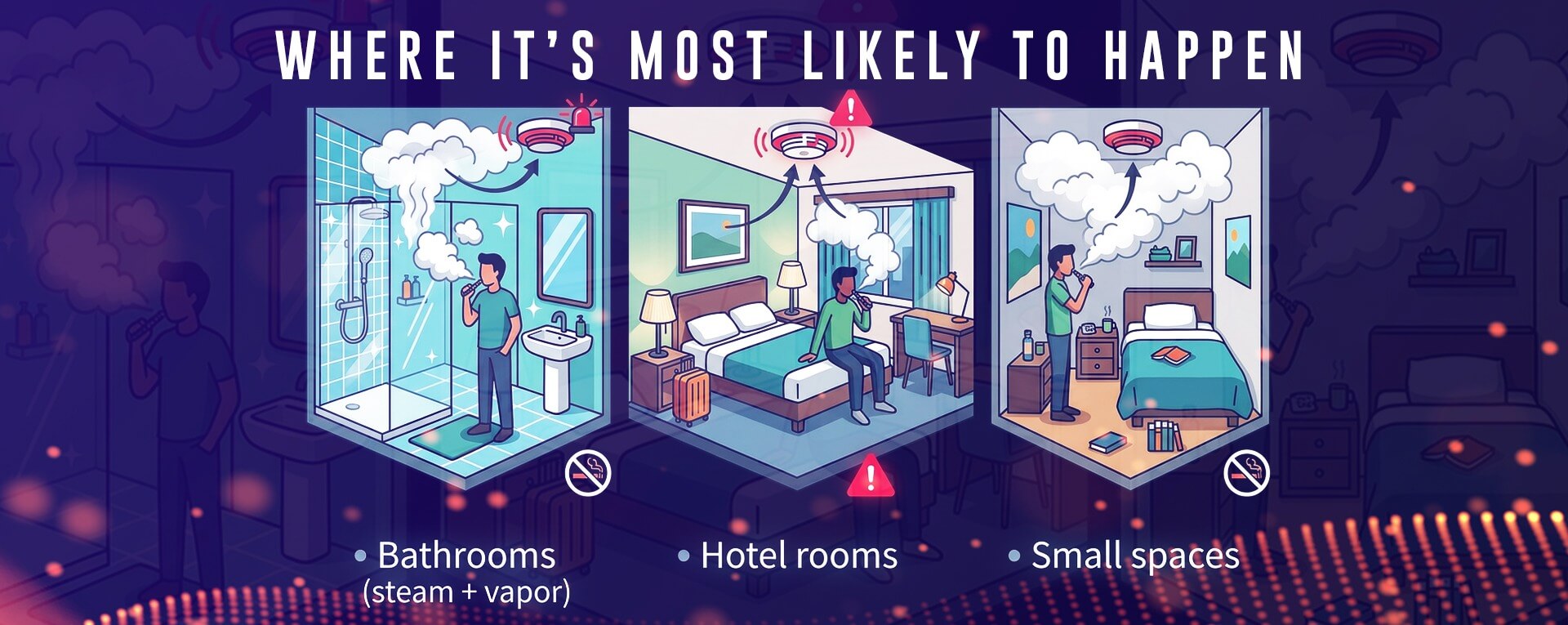
Dorm rooms and apartments can have the same issue. The room may feel open, but airflow can still be poor. If the alarm sits close to the ceiling, vapor may rise toward it.
You should also be careful in these places:
- Bathrooms
- Hotel rooms
- Dorm rooms
- Small bedrooms
- Office restrooms
- Hallways with low airflow
- Cars with built-in sensors nearby
- Shared indoor spaces
Also, never cover or remove a smoke alarm. That creates a real safety risk. It can also lead to fines, fees, or bigger trouble.
Does Vape Smoke Stay in the Air?
People often call it vape smoke. But it is not smoke.
Vapes create vapor, or aerosol. This cloud has tiny particles. Those particles can hang in the air for a short time.
In a large room, the cloud may clear fast. Open windows and good airflow help it move out. But in a small room, it can stay longer.
That is why bathrooms and hotel rooms cause more issues. The vapor has less space to spread. So, it may rise toward the smoke alarm.
Thicker clouds also stay around longer. Small puffs may fade fast. But large clouds can build up in the room.
For a deeper answer, you can read our full guide on how long does vape smoke stay in the air.
So yes, vape aerosol can stay in the air. And if enough of it reaches the detector, the alarm may go off.
Can Disposable Vapes Set Off Smoke Alarms?
Yes, Disposable vapes can set off smoke alarms too. The device type matters less than the vapor cloud. If the cloud gets thick and reaches the detector, the alarm may react. This can happen faster in small rooms, hotel rooms, bathrooms, or places with poor airflow. So, avoid vaping close to any smoke alarm.
Tips to Lower the Chance of Setting Off a Smoke Alarm
You cannot fully control how a smoke alarm reacts. So, the safest move is to follow indoor rules first.
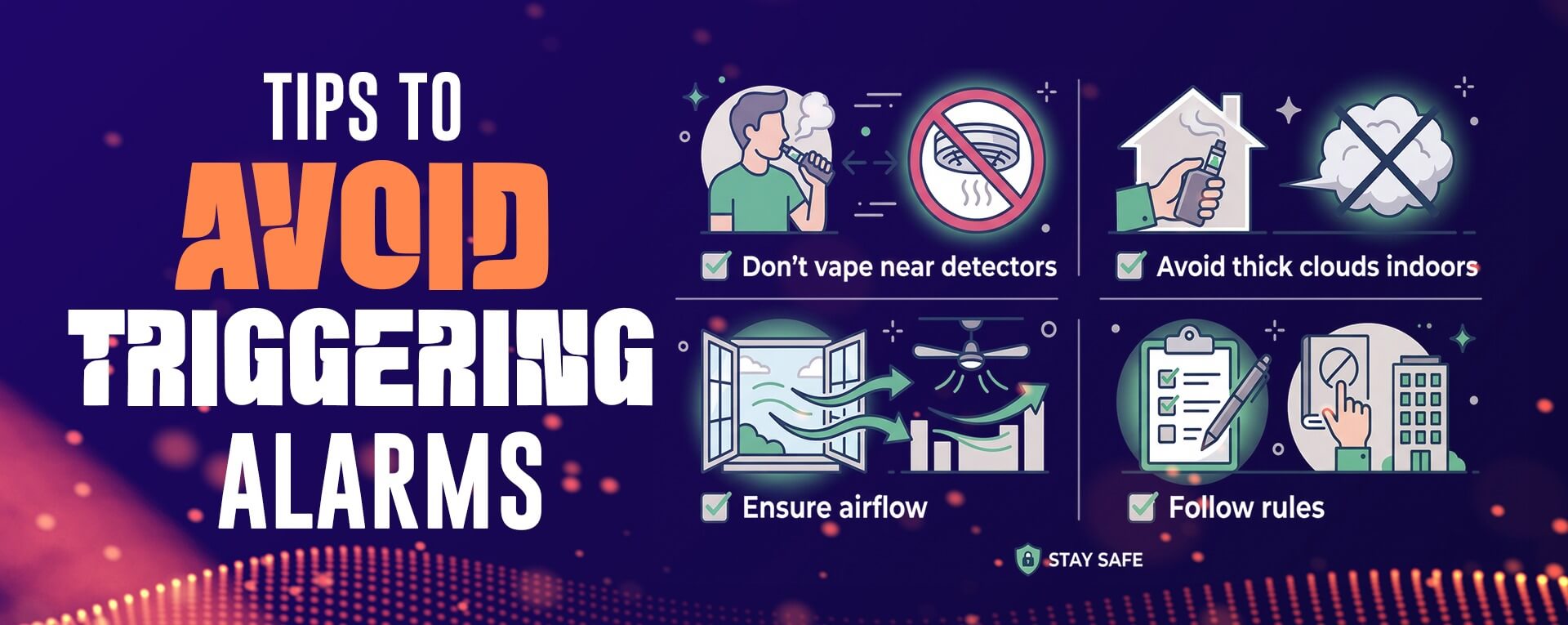
Still, these simple tips can lower the chance of a false alarm:
- Do not vape close to a smoke alarm.
- Avoid thick clouds in small rooms.
- Keep airflow moving when vaping is allowed.
- Do not vape in hotel rooms if rules ban it.
- Avoid bathrooms with hot steam.
- Step outside when the space feels tight.
- Never cover, block, or remove a smoke alarm.
That last point matters most. Smoke alarms protect people. Tampering with one can lead to fines, fees, or real danger.
What Happens If Vape Sets Off a Fire Alarm?
If vape sets off a fire alarm, things can get awkward fast.
At home, you may only deal with loud beeping. Open a window, clear the air, and check there is no real fire risk.
In a hotel, dorm, office, or apartment, it may not stay that simple. Staff may come to check the room. Security may show up too. In some places, the fire team may get called.
There may also be a fine or cleaning fee. Hotels take this stuff seriously, even when it was just vapor.
So, the smart move is simple. Follow the rules of the place. Keep vapor away from alarms. And never cover or remove a detector.
Is Vape Safer for Smoke Alarms Than Cigarettes?
Vape is different from cigarette smoke. Cigarettes burn, so they create smoke and ash. Vapes make a cloud of aerosol instead. But smoke alarms do not care about the source. If the cloud gets thick enough, the alarm may still go off.
Choosing the Right Vape for Daily Use
If you vape often, simple devices can make daily use easier. Many people choose disposables because they need no setup, charging knowledge, or refill work. You just open the pack and use it.
That said, cloud size still matters. Some devices create bigger clouds than others. So, check the device style, puff count, airflow, and nicotine strength before buying.
If you want more flavor choices, The Vapers World has a wide range of disposable vape options. You can Buy Disposable vapes online and compare flavors, puff counts, sizes, and styles in one place. This helps you choose something that fits your routine without overthinking it.
Quick Safety Note
This guide is for general information only. Always follow local rules, building policies, and fire safety guidelines. Never cover, remove, or disable a smoke alarm.
FAQs
Do vapes set off smoke alarms?
Yes, they can. It usually happens when a thick cloud reaches the detector.
Do smoke detectors detect vape?
Sometimes, yes. They do not detect the vape itself. They react to tiny particles in the air.
Can vaping in a hotel room set off an alarm?
Yes, and it can cause trouble fast. Hotel rooms often have sensitive alarms and weak airflow.
Can disposable vapes set off fire alarms?
Yes. Disposable vapes can trigger alarms when enough vapor reaches the sensor.
Does vape smoke stay in the air?
Yes, but usually not for long. Good airflow clears it faster. Small rooms can hold it longer.
